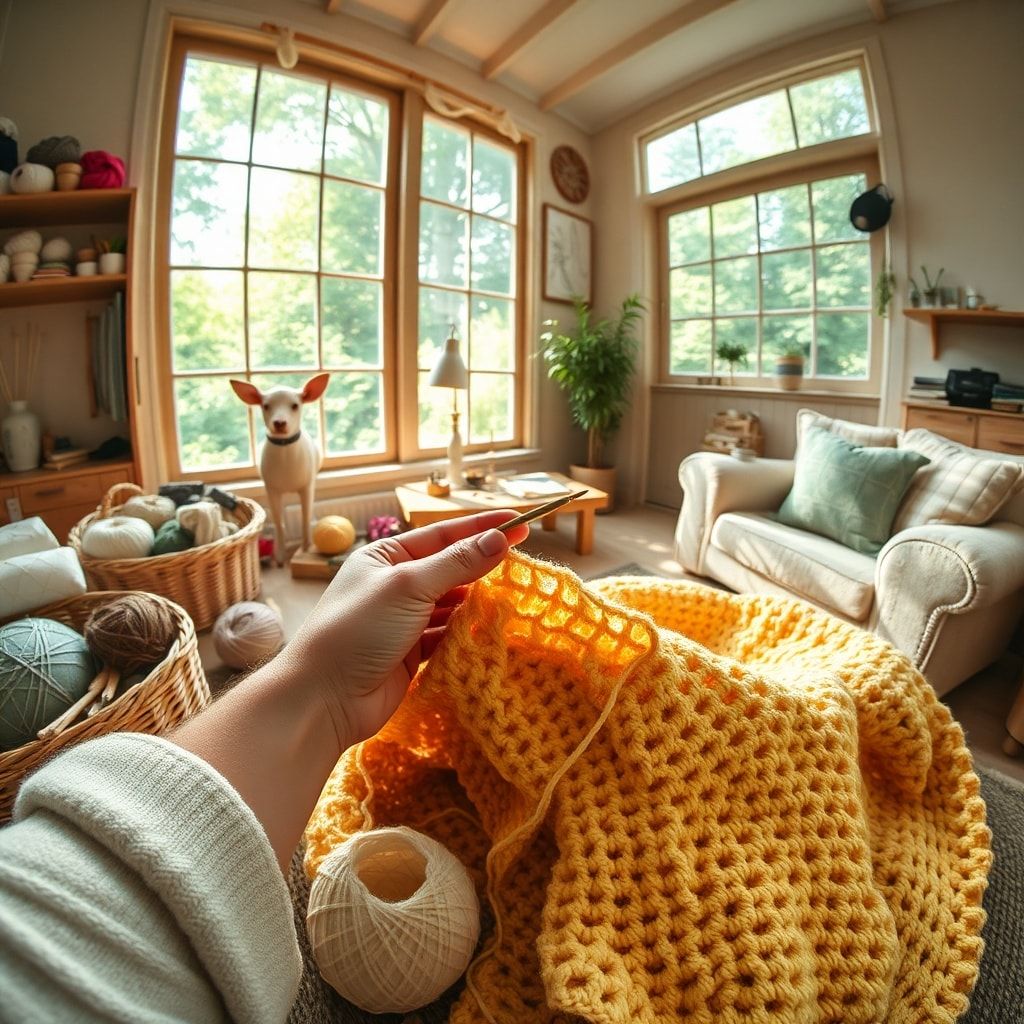
Introduction to Knitting and Crocheting
Knitting and crocheting are two of the most popular fiber crafts that have been around for centuries, offering a wide range of creative possibilities and relaxation benefits. Whether you’re looking to create something beautiful for yourself or as a gift, these crafts can be very rewarding. With the right tools, materials, and techniques, you can create anything from simple scarves to complex garments. To get started, it’s essential to understand the basics of knitting and crocheting, including the types of yarns, hooks, and needles available. For more information on fiber crafts and materials, visit WoodZire for expert insights and resources.
Benefits of Knitting and Crocheting
Both knitting and crocheting offer numerous benefits, including stress relief, improved cognitive skills, and social connections. Many people find that these crafts help them relax and unwind, while also providing a sense of accomplishment and pride in their creations. Additionally, knitting and crocheting can be a great way to connect with others who share similar interests, whether through online communities or local fiber groups. With the rise of social media, it’s easier than ever to share your projects and connect with other crafters. By joining online communities and forums, you can learn from others, get feedback on your work, and stay inspired by new ideas and techniques.
Choosing the Right Yarn and Hooks
Choosing the right yarn and hooks is crucial for any knitting or crocheting project. With so many types of yarns available, it can be overwhelming to decide which one to use. Natural fibers like wool, cotton, and silk are popular choices, while synthetic fibers like acrylic and nylon offer durability and easy care. When selecting a yarn, consider the project’s intended use, the season, and your personal preference for texture and color. For example, a warm and cozy wool yarn might be perfect for a winter sweater, while a lightweight cotton yarn might be better suited for a summer scarf.
Understanding Yarn Weights and Fibers
Yarn weights and fibers can affect the look and feel of your finished project. Fingering weight yarns are great for lacy shawls and baby items, while bulky weight yarns are perfect for quick and cozy hats and scarves. It’s also essential to consider the fiber content, as some yarns may be prone to pilling or splitting. Look for yarns with a high stitch definition for intricate patterns, and those with a soft and smooth texture for garments that will be worn next to the skin. By understanding the different types of yarns and their characteristics, you can make informed decisions and choose the best yarn for your project.
Basic Knitting and Crocheting Techniques
Once you’ve chosen your yarn and hooks, it’s time to learn the basic techniques. For knitting, this includes cast-on, knit stitch, and purl stitch. Crocheting involves chain stitch, single crochet, and double crochet. Practice these stitches until you feel comfortable, then move on to more complex techniques like cables and lace. Don’t be afraid to make mistakes – they’re an opportunity to learn and improve your skills. You can find many online tutorials and videos that demonstrate these techniques, making it easier to learn and practice.
Knitting and Crocheting for Beginners
As a beginner, it’s essential to start with simple projects and gradually work your way up to more complex ones. Begin with a scarf or hat, then move on to garments and accessories. Join online communities or local fiber groups to connect with other crafters, ask questions, and get feedback on your work. Don’t be discouraged if your first projects don’t turn out perfectly – with time and practice, you’ll develop the skills and confidence to tackle more challenging projects. Remember to always follow patterns and instructions carefully, and don’t hesitate to ask for help if you need it.
Essential Tools for Fiber Crafts
In addition to yarn and hooks, there are several essential tools that you’ll need to get started with knitting and crocheting. These include knitting needles, crochet hooks, scissors, tapestry needle, and stitch markers. You may also want to invest in a yarn ball winder and sock needles for more complex projects. Always choose high-quality tools that will last and make your crafting experience more enjoyable. For example, a good pair of knitting needles can make a big difference in the comfort and efficiency of your knitting.
Must-Have Tools for Knitting and Crocheting
Here are some must-have tools for knitting and crocheting:
- Knitting needles: Look for needles made from durable materials like aluminum or wood, and choose the right size for your project.
- Crochet hooks: Select hooks that are comfortable to hold and made from materials like aluminum, steel, or wood.
- Scissors: Invest in a good pair of sharp scissors that can cut through yarn easily.
- Tapestry needle: Use a tapestry needle to weave in ends and sew seams.
- Stitch markers: Place stitch markers on your needles to mark the beginning of a round or the start of a new pattern.
Remember, the right tools can make all the difference in your knitting and crocheting experience. Invest in high-quality tools that will last, and don’t be afraid to try out new ones as you become more comfortable with your craft.
Tips for Reading Patterns and Designs
Reading patterns and designs can be intimidating, especially for beginners. However, with practice and patience, you’ll become more comfortable deciphering knitting and crocheting patterns. Always read the pattern carefully before starting, and make sure you understand the abbreviations and terminology used. Look for patterns with clear instructions, diagrams, and photos to help you visualize the project. You can also find many online resources and tutorials that can help you learn to read patterns and designs.
Understanding Pattern Terminology
Here are some common terms you’ll encounter in knitting and crocheting patterns:
- K: Knit stitch
- P: Purl stitch
- Sc: Single crochet
- Dc: Double crochet
- St: Stitch
- Rnd: Round
Common Mistakes to Avoid as a Beginner
As a beginner, it’s easy to make mistakes that can be frustrating and time-consuming to fix. Here are some common mistakes to avoid:
- Inconsistent tension: Try to maintain a consistent tension while knitting or crocheting to ensure an even fabric.
- Incorrect stitch count: Always count your stitches carefully to ensure you have the correct number.
- Insufficient blocking: Block your finished project to even out the stitches and give it a professional finish.
- Not reading the pattern carefully: Take the time to read the pattern carefully before starting, and don’t be afraid to ask for help if you’re unsure.
Troubleshooting Common Mistakes
If you do make a mistake, don’t panic. Here are some tips for troubleshooting common mistakes:
- Frogging: If you notice a mistake, don’t be afraid to rip out your work and start again.
- Tinking: If you’ve dropped a stitch, use a tapestry needle to pick it up and fix the mistake.
- Seeking help: Don’t be afraid to ask for help from online communities, friends, or local fiber groups.
Remember, mistakes are an opportunity to learn and improve your skills. Don’t be too hard on yourself if you make a mistake – instead, use it as a chance to learn and grow as a crafter.
Advanced Techniques for Next-Level Projects
Once you’ve mastered the basics, it’s time to move on to more advanced techniques. These include cables, lace, and colorwork. Practice these techniques until you feel comfortable, then try your hand at more complex projects like garments and accessories. Don’t be afraid to experiment and try new things – it’s all part of the creative process. You can find many online resources and tutorials that can help you learn advanced techniques and take your knitting and crocheting to the next level.
Exploring Advanced Techniques
Here are some advanced techniques to try:
- Cables: Use cables to add texture and interest to your projects.
- Lace: Try your hand at lace knitting or crocheting for a delicate and intricate look.
- Colorwork: Use multiple colors to create complex and beautiful patterns.
- Garments: Try your hand at knitting or crocheting garments like sweaters, hats, and scarves.
- Accessories: Make accessories like bags, purses, and home decor items to add a personal touch to your projects.