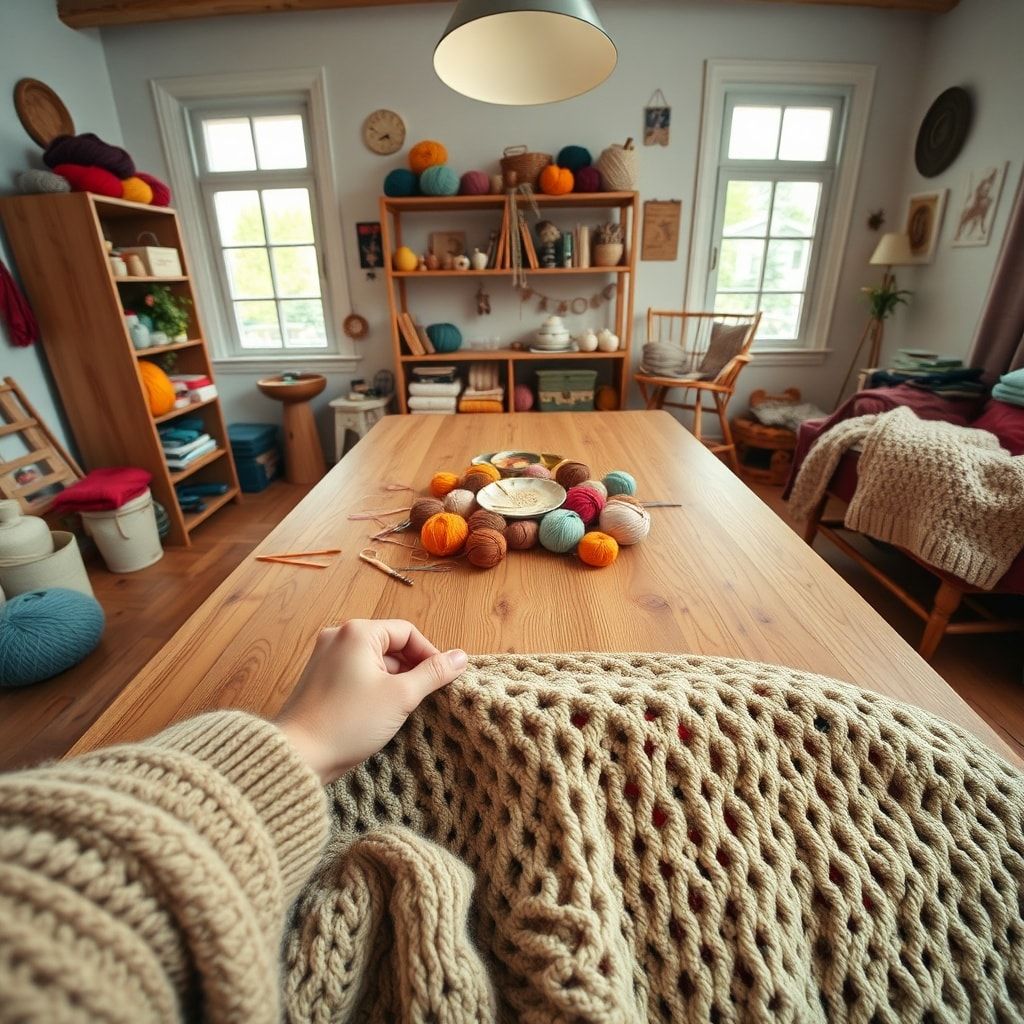
Introduction to Knitting and Crocheting
Knitting and crocheting are two of the most popular needlework hobbies that have been around for centuries. These crafts involve creating fabric from yarn using either knitting needles or a crochet hook. With the rise of DIY culture, knitting and crocheting have experienced a resurgence in popularity, and for good reason – they offer a fun and rewarding way to create unique, handmade items for personal use or as gifts. Whether you’re a complete beginner or an experienced crafter, this guide will provide you with the essential knowledge and skills to get started with knitting and crocheting. From the basics of yarn and tools to advanced techniques and project ideas, we’ll cover it all to help you become a proficient knitter or crocheter.
Before we dive into the world of knitting and crocheting, it’s worth noting that these crafts require patience, practice, and dedication. However, with the right mindset and resources, anyone can learn to knit or crochet. If you’re looking for a new hobby that’s both relaxing and challenging, knitting and crocheting are excellent choices. You can find a wide range of resources, including tutorials, patterns, and community forums, on websites like WoodZire, which can help you get started and improve your skills.
Essential Tools and Materials for Beginners
To get started with knitting or crocheting, you’ll need a few basic tools and materials. These include knitting needles or a crochet hook, yarn, scissors, and a tapestry needle. When choosing your tools and materials, consider the type of project you want to make and the level of quality you’re aiming for. For example, if you’re making a garment, you’ll want to choose high-quality yarn that’s soft, durable, and suitable for the intended use. On the other hand, if you’re making a home decor item, you may be able to use less expensive yarn or even repurposed materials.
Here are some essential tools and materials for beginners:
- Knitting needles: These come in different materials, such as aluminum, wood, or plastic, and in various sizes. The right size of needle will depend on the type of yarn you’re using and the project you’re making.
- Crochet hook: Like knitting needles, crochet hooks come in different materials and sizes. The size of the hook will depend on the type of yarn and the project you’re making.
- Yarn: This is the material that you’ll be working with to create your project. There are many different types of yarn, including wool, cotton, acrylic, and blends. Each type of yarn has its own unique characteristics, such as texture, weight, and color.
- Scissors: You’ll need a good pair of scissors to cut your yarn as you work. It’s a good idea to have a dedicated pair of scissors for your knitting or crocheting projects to keep them clean and prevent them from getting damaged.
- Tapestry needle: This is a blunt-tipped needle that’s used to weave in ends and sew seams. It’s an essential tool for finishing your projects and giving them a professional-looking finish.
Understanding Yarn Types and Weights
Yarn is the foundation of any knitting or crocheting project, and choosing the right type and weight of yarn is crucial for achieving the desired result. There are many different types of yarn, each with its own unique characteristics, such as fiber content, texture, weight, and color. The weight of the yarn refers to its thickness and is usually categorized as lace, fingering, sport, worsted, or bulky. The type of yarn you choose will depend on the project you’re making, the level of quality you’re aiming for, and your personal preference.
Here are some common types of yarn:
- Wool: This is a natural fiber that’s warm, breathable, and durable. It’s ideal for making garments, such as sweaters and hats, and home decor items, such as blankets and rugs.
- Cotton: This is a natural fiber that’s soft, absorbent, and easy to care for. It’s ideal for making garments, such as t-shirts and dresses, and home decor items, such as pillow covers and table runners.
- Acrylic: This is a synthetic fiber that’s soft, lightweight, and easy to care for. It’s ideal for making garments, such as scarves and hats, and home decor items, such as blankets and throws.
- Blends: These are yarns that combine different fibers, such as wool and acrylic or cotton and polyester. They offer the benefits of multiple fibers in one yarn and are often less expensive than yarns made from a single fiber.
When choosing a yarn, consider the project you’re making, the level of quality you’re aiming for, and your personal preference. It’s also a good idea to read reviews and look at pictures of finished projects to get an idea of how the yarn will work up.
Basic Knitting and Crocheting Stitches and Patterns
Once you have your tools and materials, it’s time to start learning the basic stitches and patterns. For knitting, these include the garter stitch, stockinette stitch, and ribbing. For crocheting, these include the chain stitch, single crochet, and double crochet. There are many resources available to help you learn these stitches and patterns, including tutorials, videos, and patterns. You can find a wide range of free and paid resources on websites like WoodZire, which can help you get started and improve your skills.
Here are some basic knitting stitches:
- Garter stitch: This is a textured stitch that’s created by knitting every row. It’s easy to learn and works well for beginners.
- Stockinette stitch: This is a smooth stitch that’s created by knitting one row and purling the next. It’s a bit more challenging than the garter stitch but is still suitable for beginners.
- Ribbing: This is a stretchy stitch that’s created by alternating between knit and purl stitches. It’s often used for cuffs, hems, and other edges.
Here are some basic crocheting stitches:
- Chain stitch: This is a foundation stitch that’s used to start many crocheting projects. It’s easy to learn and works well for beginners.
- Single crochet: This is a versatile stitch that’s created by inserting the hook into a stitch and drawing up a loop. It’s easy to learn and works well for a wide range of projects.
- Double crochet: This is a bit more challenging than the single crochet but is still suitable for beginners. It’s created by inserting the hook into a stitch and drawing up two loops.
Project Ideas for Home Decor and Accessories
One of the best things about knitting and crocheting is the wide range of projects you can make. From home decor items, such as blankets and pillow covers, to accessories, such as scarves and hats, there are countless ways to use your new skills. If you’re looking for inspiration, consider browsing through patterns and tutorials on websites like WoodZire, which can help you find the perfect project to suit your interests and skill level.
Here are some project ideas for home decor:
- Blankets: These are a great way to keep your home warm and cozy. You can make them in a variety of sizes, from baby blankets to king-size blankets.
- Pillow covers: These are a quick and easy project that can add a touch of handmade charm to your home. You can make them in a variety of sizes and styles to suit your decor.
- Rugs: These are a bit more challenging than blankets or pillow covers but are still a great way to add some handmade charm to your home. You can make them in a variety of sizes and styles to suit your decor.
Here are some project ideas for accessories:
- Scarves: These are a great way to stay warm and stylish. You can make them in a variety of lengths and styles to suit your needs.
- Hats: These are a quick and easy project that can add a touch of handmade charm to your wardrobe. You can make them in a variety of sizes and styles to suit your needs.
- Gloves: These are a bit more challenging than scarves or hats but are still a great way to stay warm and stylish. You can make them in a variety of sizes and styles to suit your needs.
Tips for Customizing and Personalizing Your Projects
One of the best things about knitting and crocheting is the ability to customize and personalize your projects. From choosing the perfect yarn and colors to adding unique details and embellishments, there are countless ways to make your projects truly special. If you’re looking for inspiration, consider browsing through patterns and tutorials on websites like WoodZire, which can help you find the perfect way to customize and personalize your projects.
Here are some tips for customizing and personalizing your projects:
- Choose the right yarn: The yarn you choose can make or break your project. Consider the type of fiber, weight, and color to ensure that it’s perfect for your needs.
- Use the right hook or needles: The hook or needles you use can affect the gauge and texture of your project. Make sure to choose the right size and type for your yarn and project.
- Add unique details and embellishments: From buttons and bows to sequins and appliques, there are countless ways to add unique details and embellishments to your projects. Consider what will work best for your project and add a touch of handmade charm.
Troubleshooting Common Mistakes and Errors
Even with the best instructions and techniques, mistakes and errors can happen. From dropped stitches to mismatched seams, there are countless ways to go wrong. However, with a few simple troubleshooting tips, you can fix most mistakes and errors and get back on track. If you’re looking for help, consider browsing through tutorials and forums on websites like WoodZire, which can help you find the solution to your problem.
Here are some common mistakes and errors:
- Dropped stitches: These can be frustrating, but they’re easy to fix. Simply work the stitch back up to the current row, and you’ll be good to go.
- Mismatched seams: These can be a bit more challenging to fix, but they’re still manageable. Simply rip out the seam, and rework it, making sure to match the stitches carefully.
- Uneven tension: This can affect the texture and fit of your project. Simply check your tension regularly, and make adjustments as needed to ensure that it’s even and consistent.
Remember, practice makes perfect, and even experienced knitters and crocheters make mistakes. The key is to stay calm, be patient, and have fun. With time and practice, you’ll become more confident and skilled, and you’ll be able to tackle even the most complex projects with ease.

