Introduction to Knitting and Crocheting
Knitting and crocheting are two of the most popular needlework hobbies that have been around for centuries. These crafts offer a great way to create something with your own hands, whether it’s a warm sweater, a cozy hat, or a beautiful blanket. With the right tools and techniques, anyone can learn to knit or crochet, from beginners to experienced crafters. Yarn is the foundation of both knitting and crocheting, and choosing the right type and color can make all the difference in your project. For inspiration and guidance, you can visit WoodZire and explore the various resources available for DIY enthusiasts.
Getting Started
To get started with knitting or crocheting, you’ll need to invest in a few basic tools and supplies. These include knitting needles or a crochet hook, as well as a ball of yarn. You can find these supplies at most craft stores or online retailers. It’s also a good idea to start with a simple project, such as a scarf or a hat, to get a feel for the craft and build your skills. As you become more confident, you can move on to more complex projects and experiment with different techniques and materials.
Choosing the Right Yarn and Fibers
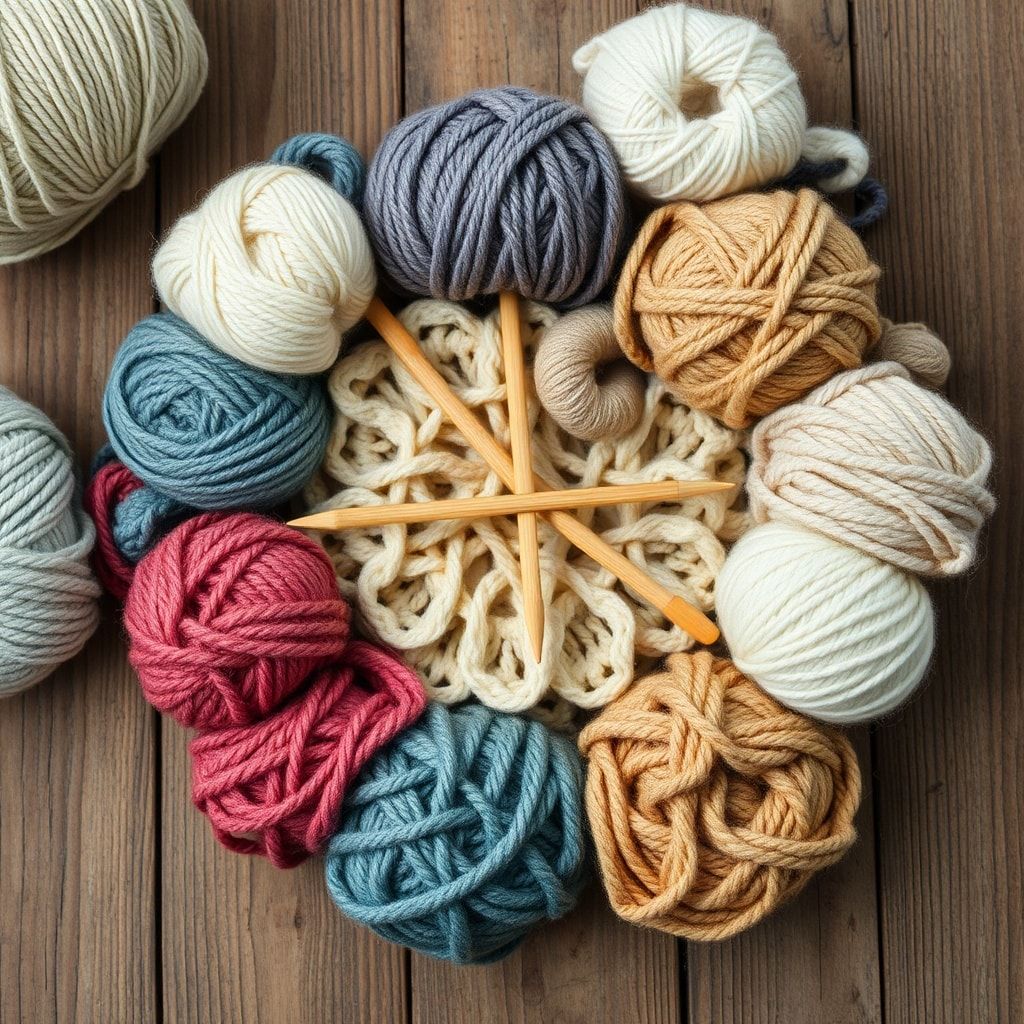
With so many different types of yarn and fibers available, choosing the right one for your project can be overwhelming. Acrylic yarn is a popular choice for beginners, as it’s soft, easy to work with, and affordable. Wool yarn is another great option, as it’s warm, breathable, and durable. You can also experiment with blended yarns, which combine different fibers for a unique texture and look. When choosing a yarn, consider the season, the project, and your personal preferences to ensure you select the best option.
Some popular yarn weights include fingering weight, worsted weight, and bulky weight. Fingering weight yarn is great for lacy shawls and baby items, while worsted weight yarn is perfect for sweaters and hats. Bulky weight yarn is ideal for warm, chunky blankets and scarves. You can also experiment with different fiber blends, such as merino wool and alpaca, for added softness and warmth.
Understanding Yarn Labels
When shopping for yarn, it’s essential to read the label carefully to understand the fiber content, weight, and recommended gauge. The yarn label will also provide information on the care instructions, such as washing and drying, to ensure your finished project lasts for years to come. Look for yarns with good stitch definition and a soft, smooth texture for the best results. You can also check the yarn’s colorfastness to ensure it won’t fade or bleed over time.
Essential Tools for Knitting and Crocheting
In addition to yarn, you’ll need a few essential tools to get started with knitting or crocheting. These include knitting needles or a crochet hook, as well as a pair of scissors and a tapestry needle for weaving in ends. You may also want to invest in a stitch marker or a row counter to help you keep track of your progress. For more information on the best tools for your craft, visit the WoodZire website and explore their collection of DIY resources.
Some other useful tools include stitch dictionaries, which provide a comprehensive guide to various stitches and techniques, and yarn bowls, which keep your yarn organized and untangled. You can also use measuring tapes or rulers to measure your work and ensure it’s the correct size. As you become more experienced, you can experiment with different tools and find what works best for you.
Investing in Quality Tools
Investing in quality tools will make a big difference in your knitting or crocheting experience. Look for tools made from durable materials, such as wood or metal, and avoid cheap, flimsy options that may break or wear out quickly. With the right tools, you’ll be able to create beautiful, professional-looking projects that will last for years to come.
Basic Stitches and Techniques for Beginners
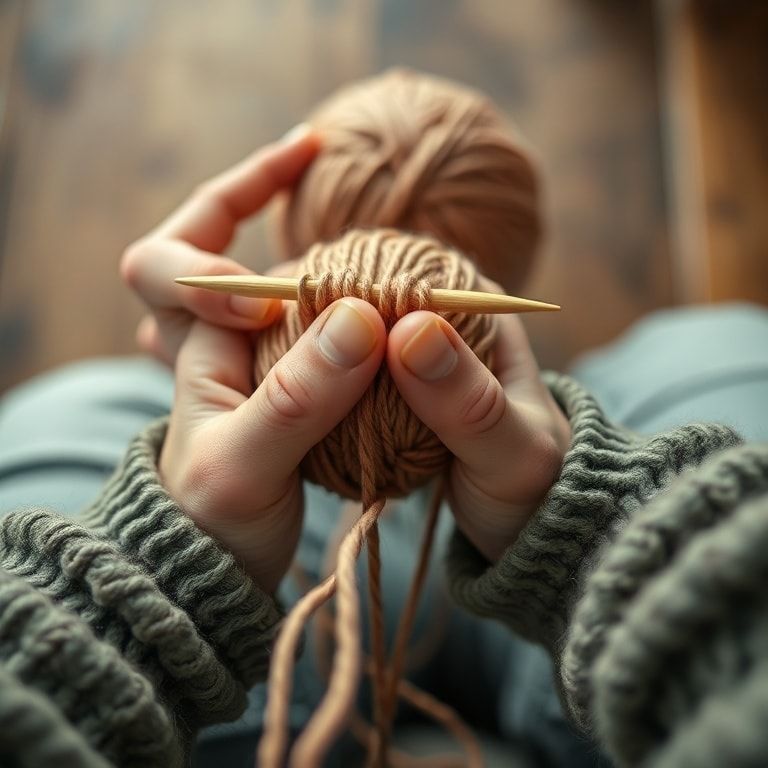
Once you have your yarn and tools, it’s time to start learning the basic stitches and techniques. For knitting, these include the garter stitch, stockinette stitch, and ribbing. For crocheting, you’ll want to learn the chain stitch, single crochet, and double crochet. Practice these stitches until you feel comfortable, then move on to more complex techniques and patterns.
Some other essential techniques include casting on and binding off for knitting, and joining rounds and fastening off for crocheting. You’ll also want to learn how to read patterns and follow instructions, as well as how to measure your gauge to ensure your project is the correct size. With these basic skills, you’ll be able to create a wide range of projects, from simple scarves to complex garments.
Common Mistakes to Avoid
As a beginner, it’s easy to make mistakes, such as twisting stitches or dropping stitches. To avoid these mistakes, make sure to count your stitches carefully and check your gauge regularly. You can also use stitch markers to help you keep track of your place and lifelines to prevent mistakes from becoming catastrophic.
Reading Patterns and Following Instructions
Once you’ve mastered the basic stitches and techniques, it’s time to start reading patterns and following instructions. Patterns will provide you with a step-by-step guide to creating a specific project, including the materials needed, the gauge, and the stitches and techniques required. Make sure to read the pattern carefully before starting, and don’t be afraid to ask for help if you’re unsure about something.
Some things to look for when reading a pattern include the materials list, which will tell you what yarn and tools you’ll need, and the gauge information, which will help you ensure your project is the correct size. You’ll also want to pay attention to the stitch instructions, which will guide you through the specific stitches and techniques required for the project. With practice, you’ll become more confident in your ability to read patterns and follow instructions, and you’ll be able to tackle even the most complex projects.
Understanding Pattern Abbreviations
- k = knit
- p = purl
- ch = chain
- sc = single crochet
- dc = double crochet
Understanding these abbreviations will help you to quickly and easily read patterns and follow instructions. You can also find a comprehensive list of abbreviations in most knitting and crocheting books or online resources.
Tips for Common Mistakes and Troubleshooting
Even with experience, mistakes can still happen. Some common mistakes include miscounting stitches, dropping stitches, and twisting stitches. To troubleshoot these mistakes, try ripping back to the mistake and re-knitting or re-crocheting the affected area. You can also use stitch markers to help you keep track of your place and lifelines to prevent mistakes from becoming catastrophic.
Some other tips for troubleshooting include checking your gauge regularly, using the right tools for the job, and swatching before starting a new project. You can also try watching tutorials or joining a knitting or crocheting community for support and guidance. With these tips and tricks, you’ll be able to quickly and easily troubleshoot mistakes and get back to creating beautiful, professional-looking projects.
Preventing Mistakes
To prevent mistakes, it’s essential to take your time and pay attention to your work. Make sure to count your stitches carefully and check your gauge regularly. You can also use stitch markers to help you keep track of your place and lifelines to prevent mistakes from becoming catastrophic. By being mindful and taking the time to do things right, you’ll be able to create beautiful, professional-looking projects that will last for years to come.
Advanced Techniques and Projects for Experienced Crafters
Once you’ve mastered the basic stitches and techniques, it’s time to move on to more advanced projects and techniques. Some examples include cabling, lace knitting, and colorwork. You can also experiment with different yarn weights and fiber blends to create unique and interesting textures.
Some other advanced techniques include steeking, intarsia, and fair isle knitting. You can also try designing your own patterns or creating your own yarn blends for a truly unique and personalized project. With these advanced techniques, you’ll be able to create complex, professional-looking projects that will impress even the most experienced crafters.
Exploring New Fibers and Yarns
- Experiment with different yarn weights to create unique and interesting textures.
- Try new fiber blends, such as merino wool and alpaca, for added softness and warmth.
- Explore different yarn colors and dyeing techniques to create one-of-a-kind projects.
- Invest in quality yarns that will last for years to come.
- Join a knitting or crocheting community to connect with other crafters and learn new techniques.
By exploring new fibers and yarns, you’ll be able to create unique and interesting projects that will showcase your skills and creativity. You can also visit the WoodZire website for more information on DIY crafting and to connect with other enthusiasts.