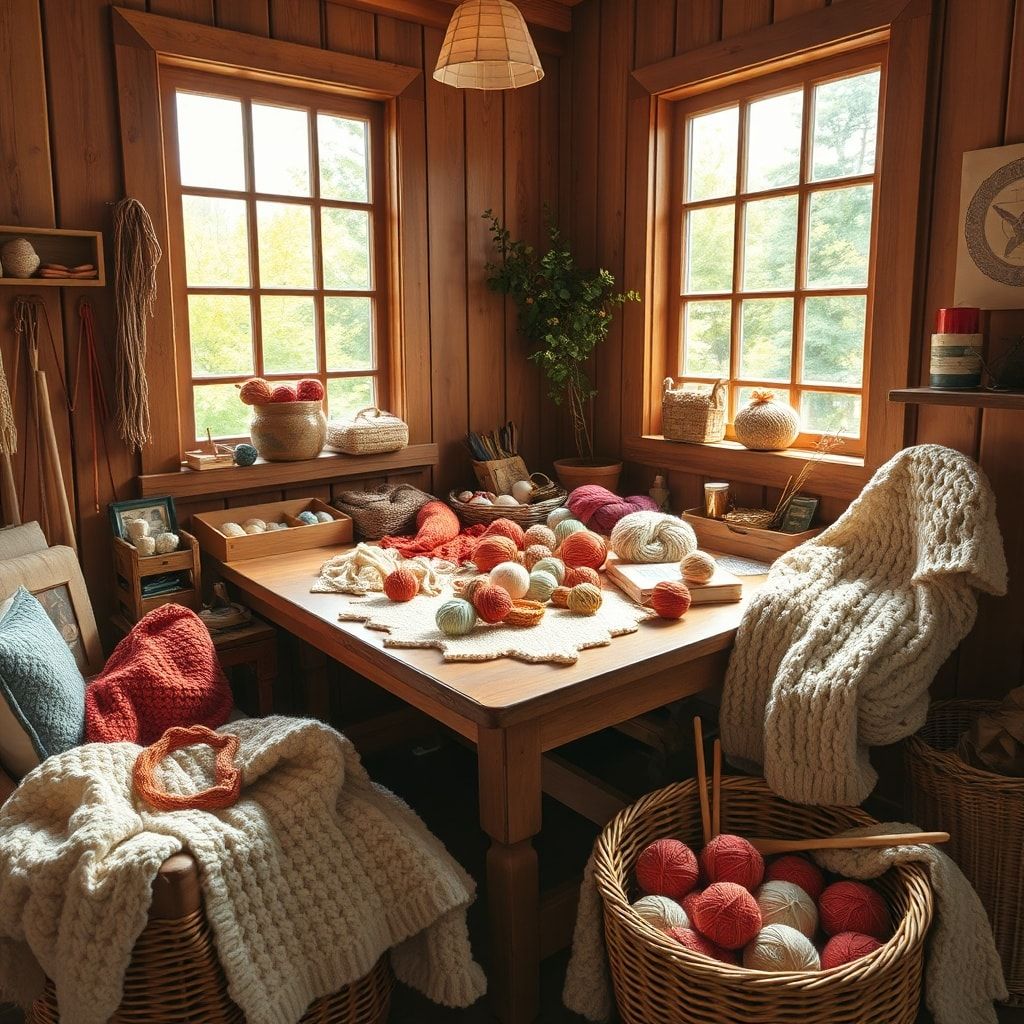
Introduction to Knitting and Crocheting
Welcome to the world of yarn crafts, where creativity and imagination know no bounds. Knitting and crocheting are two of the most popular hobbies that allow you to create something from scratch, using just a few basic tools and materials. Whether you’re a seasoned crafter or a beginner, this guide will walk you through the essentials of knitting and crocheting, helping you to get started on your first project. With patience, practice, and dedication, you’ll be creating beautiful pieces in no time. As a master woodworker, I’ve also had the pleasure of exploring other crafts, including those found on WoodZire, which showcases the beauty of wood craftsmanship.
Evolving into a Yarn Craft Enthusiast
As you delve into the world of yarn crafts, you’ll discover a wide range of techniques, tools, and materials to explore. From amigurumi toys to intricate lace shawls, the possibilities are endless. Whether you prefer the rhythmic clickety-clack of knitting needles or the smooth glide of a crochet hook, there’s a project out there waiting for you. With each stitch, you’ll become more confident in your skills, and before long, you’ll be hooked (pun intended!).
Essential Tools and Materials for Yarn Crafts
Before you begin, it’s essential to gather the necessary tools and materials. For knitting, you’ll need a pair of straight needles or circular needles, depending on the project. Crocheters, on the other hand, will require a crochet hook in the appropriate size. In terms of materials, yarn is the star of the show, and with so many types, weights, and colors to choose from, you’ll want to explore different options to find your favorites.
Yarn, Needles, and Hooks: A Beginner’s Guide
When it comes to yarn, it’s crucial to understand the different fibers (e.g., wool, cotton, acrylic), weights (e.g., lace, worsted, chunky), and colors (e.g., solid, variegated, ombre). Needles and hooks come in various materials, such as aluminum, wood, or plastic, and sizes, which are measured in increments (e.g., US 8, 10, 12). A yarn needle is also handy for weaving in ends and sewing seams.
- Aluminum needles: durable, lightweight, and perfect for beginners
- Wooden hooks: warm, comfortable, and ideal for crocheting
- Plastic yarn needles: inexpensive, easy to use, and great for sewing
Basic Knitting and Crocheting Stitches for Beginners
Now that you have your tools and materials, it’s time to learn the basic stitches. Knitting beginners will start with the garter stitch and stockinette stitch, while crocheters will learn the chain stitch and single crochet. These foundational stitches will serve as the building blocks for more complex patterns and projects.
Mastering the Basics: Tips and Tricks
As you practice these basic stitches, remember to relax your tension, keep a steady rhythm, and count your stitches carefully. Don’t be afraid to make mistakes – they’re an opportunity to learn and improve. If you’re having trouble, try watching tutorial videos or joining a crafting community for support and guidance.
Expert Tip: Use a stitch marker to keep track of your place in a pattern, and always swatch your yarn before starting a project to ensure the correct gauge.
Understanding Yarn Types and Weights for Projects
With so many yarn options available, it can be overwhelming to choose the right one for your project. Fiber content, weight, and color all play a crucial role in determining the final result. For example, a wool yarn is perfect for winter accessories, while a cotton yarn is ideal for summer garments.
Yarn Weights and Projects: A Guide
Here’s a brief guide to yarn weights and suitable projects:
- Lace weight: perfect for intricate shawls, baby items, and lacy accessories
- Fingering weight: great for socks, gloves, and baby clothes
- Worsted weight: ideal for sweaters, hats, and scarves
- Chunky weight: perfect for quick, thick blankets and hats
Tips and Tricks for Common Knitting and Crocheting Mistakes
Even experienced crafters encounter mistakes from time to time. Drop stitches, incorrect tension, and miscounted rows are just a few common issues. To avoid these mistakes, make sure to read patterns carefully, use a stitch marker, and measure your work regularly.
Fixing Mistakes: A Step-by-Step Guide
If you do encounter a mistake, don’t panic! Here’s a step-by-step guide to fixing common errors:
- Drop a stitch: use a stitch picker to carefully pick up the dropped stitch and work it back into the fabric
- Incorrect tension: rip out the affected area and re-knit or re-crochet with the correct tension
- Miscounted rows: frogging (ripping out) the entire project might be necessary, but don’t worry – it’s a chance to start fresh
Starting Your First Project: Scarf, Hat, or Blanket
Now that you’ve learned the basics, it’s time to start your first project! A scarf, hat, or blanket are all great options for beginners. Choose a pattern that suits your skill level, and don’t be afraid to ask for help if you need it.
Choosing the Perfect Pattern
When selecting a pattern, consider the following factors:
- Yarn weight and fiber content
- Difficulty level
- Finished size and measurements
- Personal style and preferences
Advanced Techniques and Patterns for Experienced Crafters
Once you’ve mastered the basics, it’s time to explore more advanced techniques and patterns. Cables, Fair Isle knitting, and crochet motifs are just a few examples of the many exciting challenges awaiting you.
Exploring New Techniques: A World of Possibilities
The world of yarn crafts is vast and diverse, with new techniques and patterns emerging all the time. Whether you’re interested in amigurumi, tapestry weaving, or intarsia knitting, there’s always something new to learn and discover. Don’t be afraid to push your limits and try new things – it’s all part of the creative journey. And if you ever need inspiration, be sure to check out the amazing woodworking projects on WoodZire – who knows, you might just find a new passion!